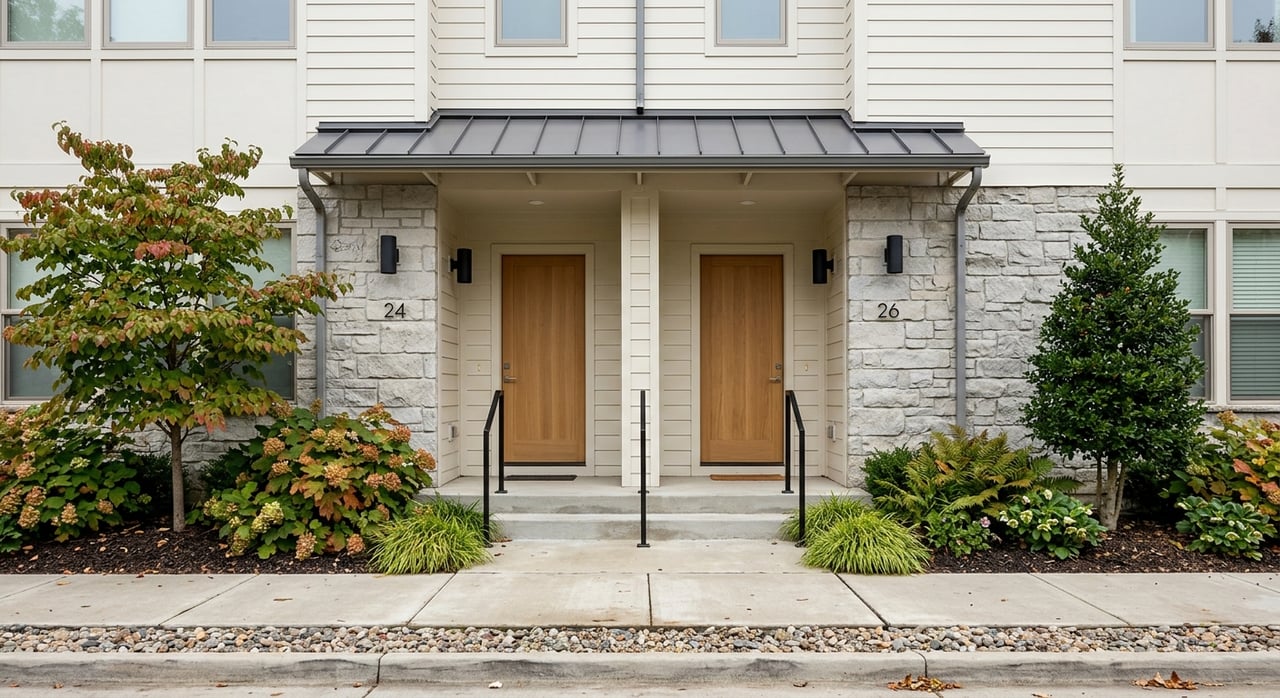
Condo Versus House In Asheville: How To Decide
July 16, 2026
July 16, 2026
Trying to choose between a condo and a house in Asheville can feel simple at first, until the real tradeoffs start piling up. You might be weighing price, maintenance, parking, outdoor space, and how close you want to be to downtown or the trails. The good news is that this decision gets much clearer when you compare how each option fits your daily life and your budget. Let’s break it down.
In Asheville, condos and townhomes usually come in at a lower purchase price than single-family homes. A 2025 year-end market report for the Asheville MSA showed condos and townhomes averaging $412,754, while single-family homes averaged $529,665.
That price gap can make attached housing appealing if you want to stay closer to budget. It can also help if your priority is getting into the Asheville market without stretching as far on the purchase price. Still, the lower upfront number does not always mean lower monthly ownership costs.
The same report showed condos and townhomes averaging 80 days on market, compared with 68 days on market for single-family homes. That does not mean one choice is always easier to buy than the other, but it does show that these property types can move at different speeds depending on price point and demand.
When you compare a condo versus a house in Asheville, your monthly payment is only part of the story. You also need to look at HOA dues, parking costs, and property taxes.
For FY2025-26, Buncombe County lists a county tax rate of $0.5466 per $100 of assessed value. The City of Asheville lists $0.4419, for a combined city and county rate of $0.9885 per $100 before any added district levies. Your final bill depends on assessed value and location.
This matters because taxes scale with value, and so do many other ownership costs. A condo may cost less to buy, but the gap can narrow if dues are high or if parking is an added expense. A house may cost more upfront, but you may avoid some recurring shared-community charges.
A condo or townhome often appeals to buyers who want less exterior upkeep. In many cases, the association structure handles at least some shared maintenance, which can simplify day-to-day ownership.
In North Carolina, those details are important enough that the North Carolina Real Estate Commission says condo and townhouse ownership is legally complex and may require attorney guidance when needed. The state disclosure framework also requires sellers to disclose whether the property is subject to an owners’ association, the dues, special assessments, pending suits, and the services or amenities covered.
That means you should treat HOA documents as part of the property itself. If you are considering a condo or townhome, you are not just buying the unit. You are also stepping into a shared set of rules, budgets, and maintenance decisions.
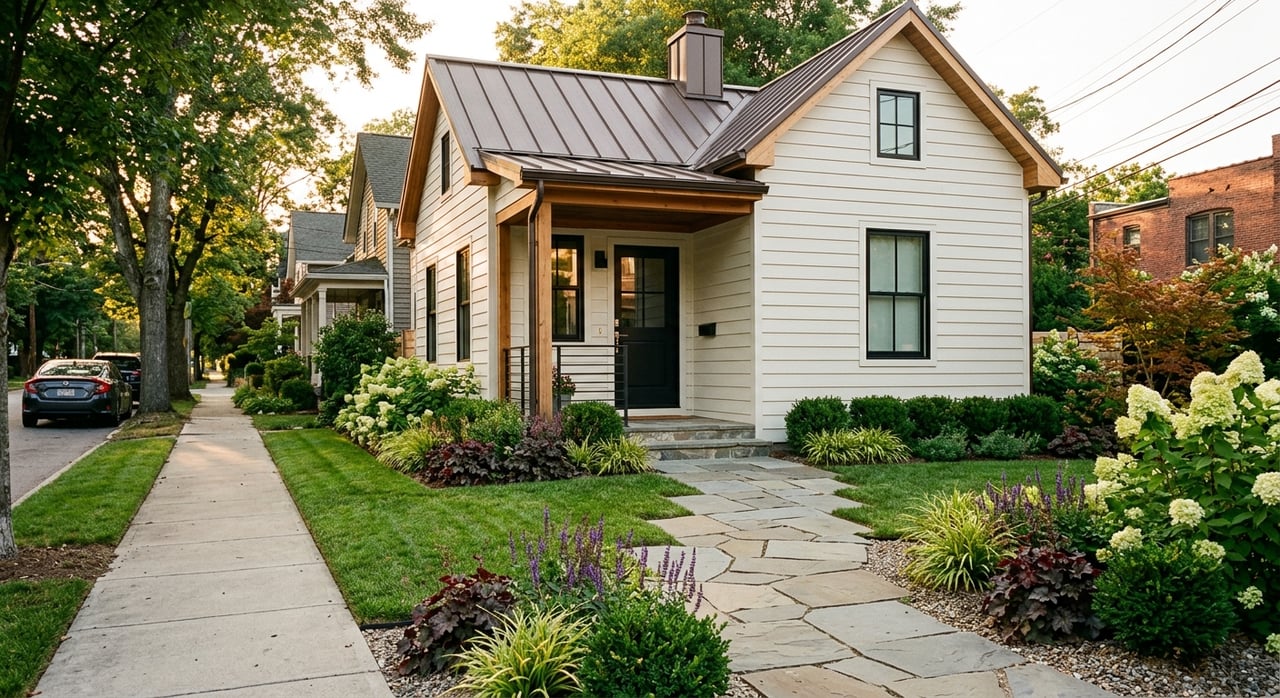
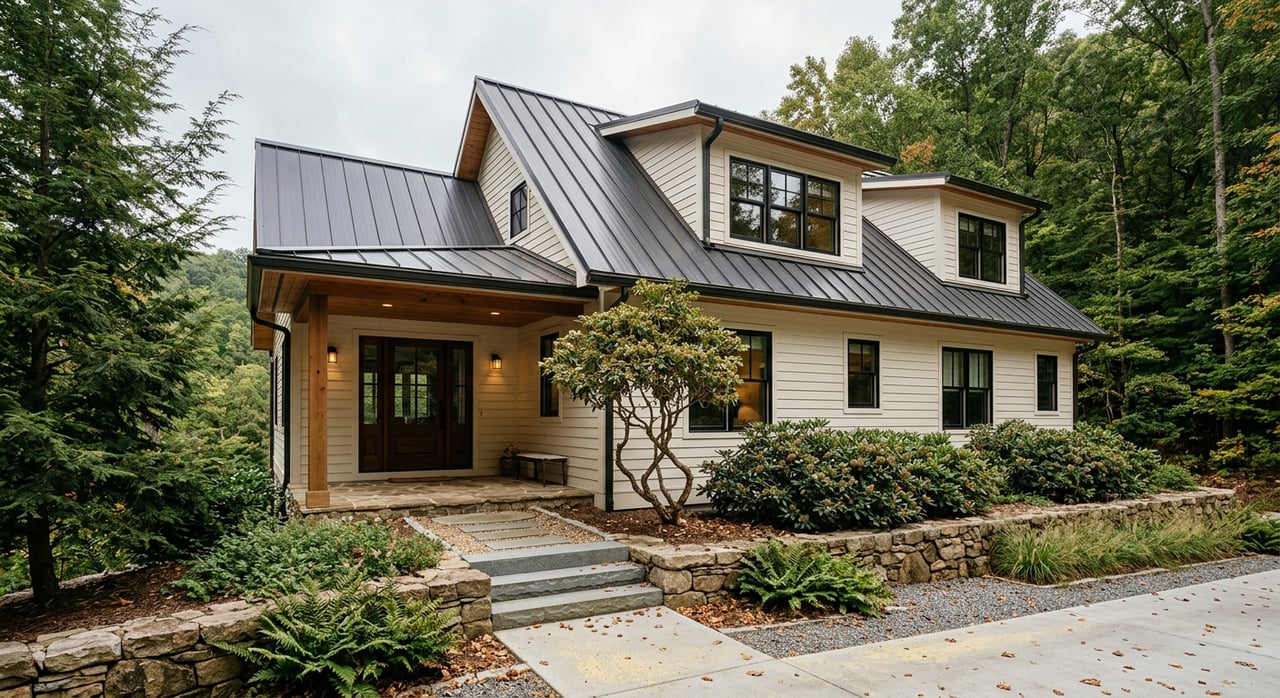
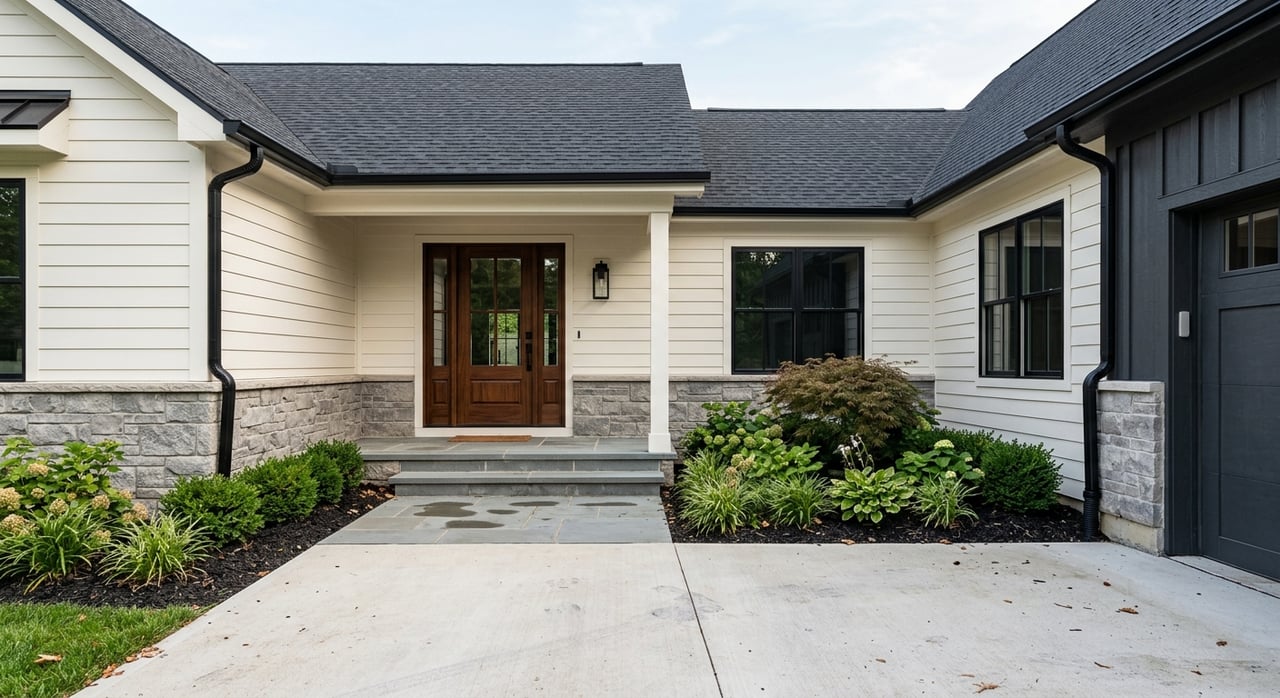
A detached house usually gives you more direct control over the property. That can include the yard, exterior changes, parking setup, gardening, pet routines, and future improvements.
The tradeoff is that more control usually means more responsibility. Instead of sharing many maintenance costs through an association, you may be budgeting for those items yourself. For many buyers, that is worth it. For others, it feels like too much upkeep.
It is also important not to assume that a house means no HOA at all. In North Carolina, homeowners’ association rules can still apply in subdivisions with restrictive covenants, so you should review disclosures carefully no matter what property type you choose.
Parking is easy to overlook until it affects your routine. In Asheville’s downtown core, the city identifies this area as the urban center and primary retail, office, hotel, institutional, cultural, and entertainment center, and parking there often works differently than in more residential areas.
The city says metered parking is found throughout downtown’s central business district, and on-street permitted parking exists in several downtown areas. Buncombe County says the city and county together maintain nearly 3,000 downtown parking spaces, and its two county decks are open 24/7 with rates of $2 for the first hour, then $1 per additional hour, with a daily max of $12.
If you are leaning toward a downtown condo, ask how parking works before you fall in love with the unit. A deeded space, guest parking, street permits, or deck-based parking can all affect convenience and monthly costs.
A private yard is one of the biggest reasons buyers choose a house. If you want room for gardening, outdoor entertaining, pets, or long-term changes to the property, a detached home often gives you more flexibility.
That said, Asheville offers outdoor access beyond your own lot. The city’s greenway system includes trail segments through Weaver Park and the UNC Asheville area, and Buncombe County parks include places like Lake Julian and river parks with fishing, boating, disc golf, playgrounds, and more.
For some buyers, that makes a condo or townhome easier to justify. If your goal is easy access to Asheville’s amenities and outdoor spaces without maintaining a large yard, attached housing may be a strong fit.
There is no universal right answer. The better question is which set of tradeoffs feels easiest for you to live with every day.
A condo may fit you well if you want:
A townhome often works well if you want:
A single-family house may be the better fit if you want:
Before you make an offer, it helps to slow down and ask practical questions that match the property type.
For a condo or townhome, ask for the current HOA budget, dues schedule, reserve information, special assessments, and any pending lawsuits or major maintenance issues. These are the same kinds of issues highlighted in North Carolina’s owners’ association disclosure framework.
For a house, ask about the condition of big-ticket systems and any neighborhood or subdivision obligations that may still apply. The North Carolina Real Estate Commission’s due diligence guidance emphasizes asking questions, reviewing documents, and ordering inspections to reduce the risk of costly surprises.
If you are still stuck, try ranking these five factors from most important to least important:
Your top two priorities usually point you in the right direction. If low upkeep and central living matter most, a condo or townhome may make more sense. If privacy, control, and outdoor space rise to the top, a house may be the better long-term fit.
In Asheville, this choice is rarely just about square footage. It is about how you want your home to support your pace of life, your budget, and the kind of mountain living you actually want day to day.
If you want help comparing Asheville condos, townhomes, and houses in a way that fits your goals, reach out to Aaron Chapman for clear, responsive guidance.
Stay up to date on the latest real estate trends.
We'd love to hear from you! Whether you're buying, selling, or just exploring your options, we're here to provide answers, insights, and the support you need. Contact us and start planning your next move.