Finding Your Ideal Asheville Mountain Lifestyle
May 7, 2026
May 7, 2026
If you picture life in Asheville, chances are you see one of three things: a walkable block near coffee shops and restaurants, a porch with layered mountain views, or a place close to the river and trails. The challenge is that each version of the Asheville mountain lifestyle comes with a different daily rhythm and a different set of tradeoffs. If you want to narrow your search with more confidence, this guide will help you match your lifestyle goals to the kind of property and location that fit best. Let’s dive in.
Before you focus on square footage or finishes, it helps to define what you want your average day to feel like. In Asheville, lifestyle is shaped by downtown and nearby walkable neighborhoods, river and greenway corridors, and higher-elevation mountain terrain.
That matters because two homes with the same price point can offer very different experiences. One may put you close to restaurants, galleries, and daily conveniences, while another may offer privacy, elevation, and bigger views but require more planning around access and upkeep.
If you want to step outside and be close to activity, Asheville offers several areas that support a walkable lifestyle. Downtown is the heart of the city, with sidewalk cafes, museums, street music, indie shops, galleries, breweries, restaurants, and the Asheville Urban Trail.
Nearby districts create different versions of that same convenience. South Slope is a compact area just blocks from downtown, while West Asheville is centered around the walkable Haywood Road corridor across the French Broad River. Montford sits north of downtown with restored homes and eclectic businesses, and Biltmore Village offers historic brick streets and storefronts. In South Asheville, Biltmore Park Town Square provides a walkable town-center feel with residential apartments, free parking, and access to both downtown and the Blue Ridge Parkway.
A more walkable lifestyle often means making peace with a smaller lot or shared walls. In and near the urban core, you are more likely to find historic homes, condos, townhomes, attached housing, and other smaller-format options than large private parcels.
That trade can be worth it if convenience is your top priority. If you want to walk to dinner, events, or local businesses and spend less time driving, these areas deserve a close look.
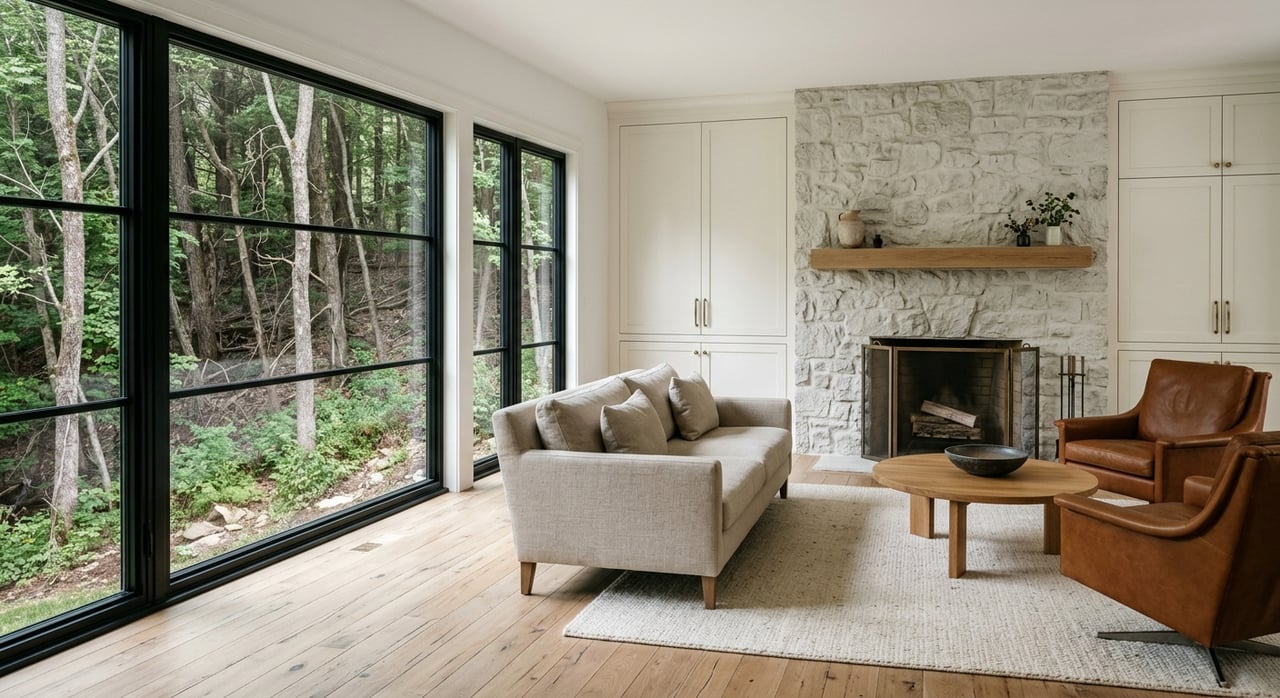
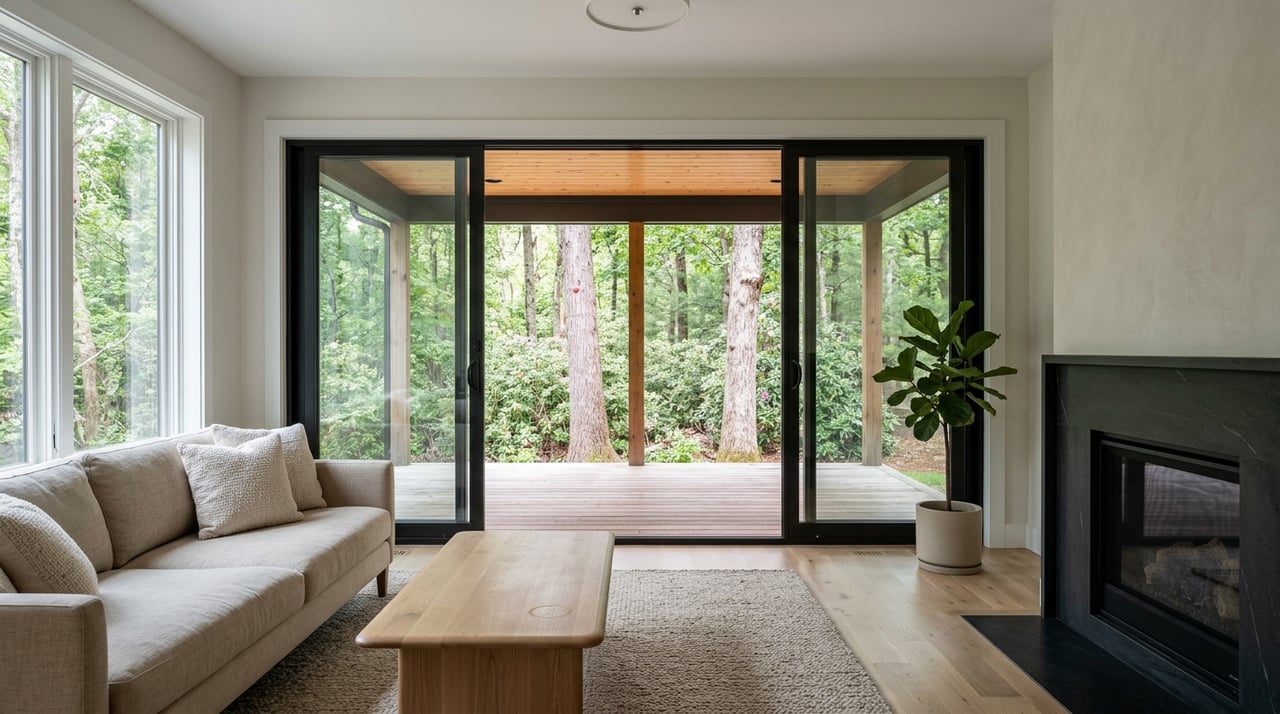
If your ideal Asheville lifestyle is quieter and more private, you may be drawn to ridge-adjacent or higher-elevation settings. Near Asheville, the Blue Ridge Parkway moves through several mountain chains, and places like Craggy Gardens, about 20 miles north of the city, show just how dramatic the views and climate can become at elevation.
This side of the market often appeals to buyers who want a stronger sense of retreat. You may find more privacy, bigger outlooks, and a setting that feels more connected to the mountains than to the city grid.
Mountain living usually comes with more than a pretty view. Slope, driveway access, storm resilience, and buildability can all become bigger parts of your decision.
Buncombe County classifies hillside developments as tracts with an average natural slope of 25 percent or greater. The county’s conservation-development option is meant to help preserve ridge tops, floodplains, and landslide-hazard areas, which gives you a clue about how important site conditions are in this part of the market.
The City of Asheville’s landslide toolkit also identifies areas where slope-instability awareness matters, including Beaucatcher, Beaverdam, Biltmore Village, Chunns Cove, Haw Creek, Kenilworth, the River Arts District, Town Mountain, Reynolds Mountain, and Treetops.
If you are considering a view property or mountain lot, slow down and ask practical questions early. A beautiful setting can still be the right fit, but you want clarity before you commit.
Key questions include:
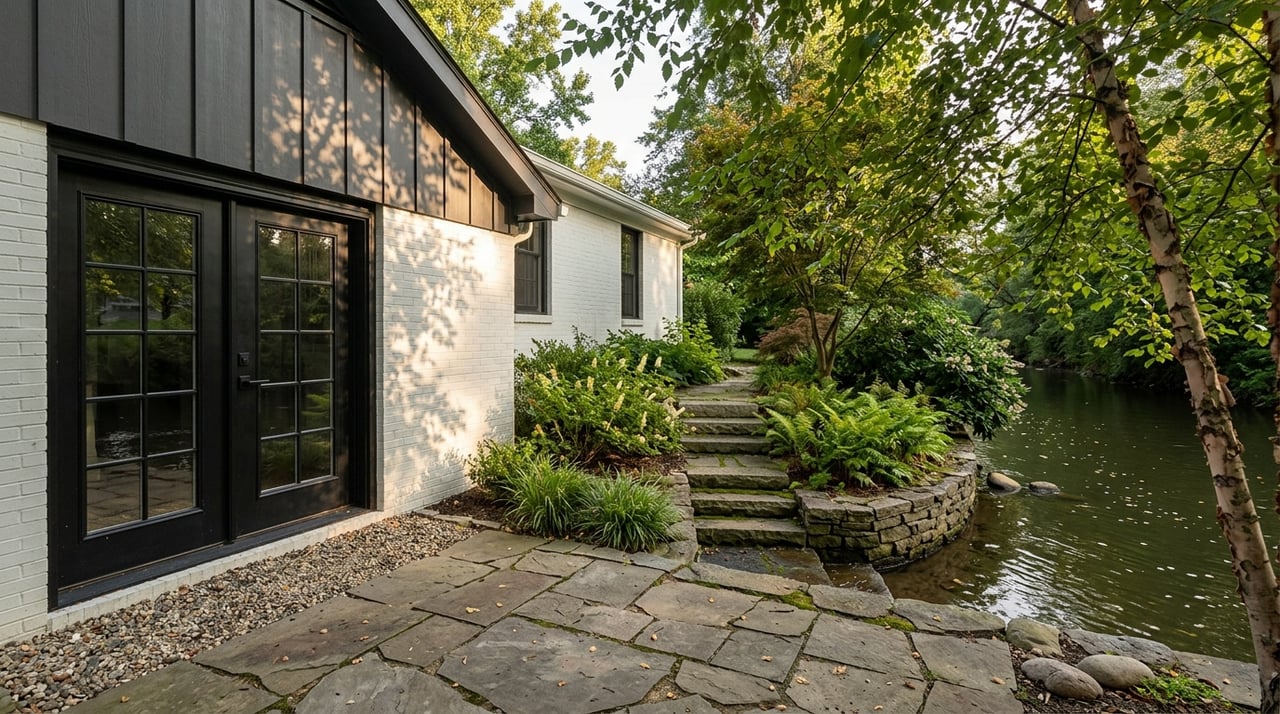
For some buyers, the mountain lifestyle is less about elevation and more about water, trails, and movement. In Asheville, that often means looking near the French Broad River and the city’s greenway network.
The French Broad Greenway is Asheville’s main north-south alternative transportation corridor. It is designed as a shared-use path for recreation and transportation, connecting parks, businesses, and river views. Open segments include the stretch between Amboy Riverfront Park and Hominy Creek River Park and the segment between Craven Street and French Broad River Park, though some riverfront sections remain closed or in recovery after Tropical Storm Helene.
West Asheville’s Amboy Road is often described as an Adventure Corridor, and the River Arts District has a creative, urban-industrial feel shaped by former warehouses and the river beside it. If you want easy access to outdoor recreation without leaving the city, this part of Asheville can be especially appealing.
River access can be a real lifestyle benefit, but it should always be paired with careful property review. Buncombe County regulates development in the 100-year floodplain through its Flood Damage Prevention Ordinance.
The City of Asheville also notes that major flooding can happen outside mapped floodplains during extreme events. For you as a buyer, that means river-oriented homes should prompt questions about elevation, flood insurance, evacuation readiness, and whether the property is in or near a regulated flood area.
A good rule of thumb is simple: enjoy the river lifestyle, but do not skip the floodplain conversation.
Your ideal Asheville mountain lifestyle may not be inside city limits at all. If you want a quieter home base with easy access to Asheville, nearby towns can offer a strong middle ground.
Weaverville, just north of Asheville in the Reems Creek Valley, has a lively Main Street, locally owned businesses, and easy access to outdoor experiences. Black Mountain, about 15 miles east of Asheville, combines a walkable downtown with nearby lake, trail, and river access.
These towns can work well if you want day-trip convenience to Asheville but prefer a slower pace at home. For second-home buyers or anyone seeking a more relaxed base camp, they are often some of the best matches in the surrounding market.
If privacy and space top your list, acreage may be the right path. Asheville-area land and larger parcels can support a very different version of mountain living, one built around room to spread out, future plans, or long-term ownership.
At the same time, land requires more research than an in-town home. Buncombe County states that a septic permit or perc test is required before construction, about half of the county depends on septic systems, and a well permit is required before drilling a well.
The county’s subdivision ordinance also addresses streets, water, sewage disposal, hillside developments, and conservation development. In plain terms, that means the right parcel is not just about how it looks. It is about whether it supports what you want to do with it.
Before you move forward on land or legacy-style property, ask:
If you are feeling torn between a few lifestyle options, that is normal. Asheville is appealing because it gives you several real ways to live well, not just one.
Here is a simple way to frame your decision:
| Lifestyle Goal | Best-Fit Setting | Main Tradeoff |
|---|---|---|
| Walk to dining and events | Downtown, South Slope, West Asheville, Montford, Biltmore Village, Biltmore Park | Smaller lots or attached housing |
| Privacy and mountain views | Higher-elevation or ridge-adjacent areas | More slope, access, and site review |
| River access and trails | French Broad corridor, greenway-adjacent areas, River Arts District | Floodplain and recovery considerations |
| Quiet base near Asheville | Weaverville or Black Mountain | Less immediate city access |
| Space and flexibility | Land or acreage parcels in Buncombe County area | More due diligence on utilities and usability |
The right answer depends on what you want to do most often. If your perfect week includes walking to dinner, that points you one way. If it includes sunrise views, long driveways, or room to build, that points you another.
In Asheville and the surrounding mountain communities, the search is rarely just about the house itself. It is also about access, terrain, infrastructure, and how a location supports your day-to-day life.
That is why practical guidance matters so much, especially if you are relocating, buying from a distance, or comparing very different property types. Having a responsive local team can help you look past the photos and focus on how a home or parcel will actually live.
If you are trying to find the version of Asheville that fits you best, Aaron Chapman can help you sort through the options with clear, local guidance and a mountain-lifestyle mindset.
Stay up to date on the latest real estate trends.
We'd love to hear from you! Whether you're buying, selling, or just exploring your options, we're here to provide answers, insights, and the support you need. Contact us and start planning your next move.