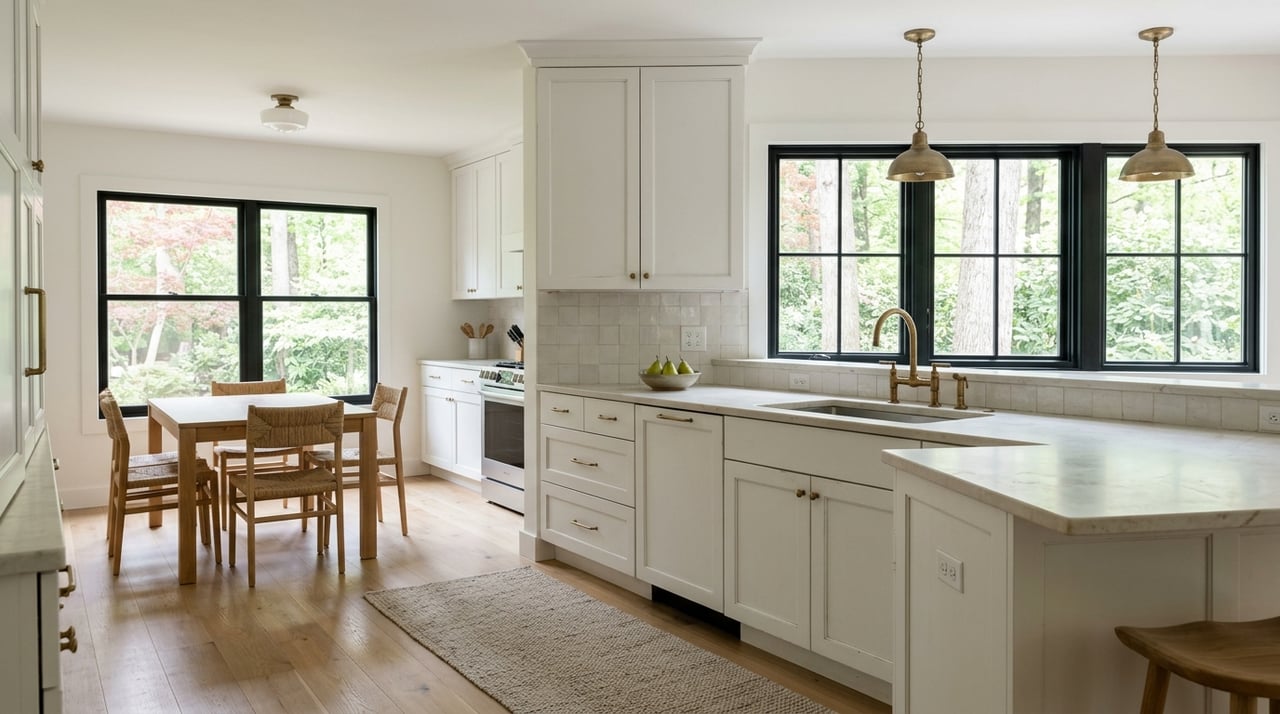
Selling A Home In Asheville: Step-By-Step Overview
May 21, 2026
May 21, 2026
Thinking about selling your home in Asheville? You are not alone, but you may need a different game plan than sellers used even a year or two ago. In today’s market, strong prices are still possible, but homes are taking longer to sell, which makes preparation, pricing, and timing more important than ever. This step-by-step guide will show you what to expect when selling in Asheville and Buncombe County, from pre-listing prep to closing day. Let’s dive in.
Before you list, it helps to understand the pace of the market you are stepping into. As of March 2026, Asheville’s median sale price was $510,000, up 13.3% year over year, while homes averaged about 122 days on market and received about 1 offer.
That combination tells an important story. Values have stayed elevated, but the market is not especially fast or competitive right now. For you as a seller, that means buyers may take more time, compare more options, and negotiate more carefully.
Pricing is one of the biggest decisions you will make. In Asheville, a strong list price should come from current comparable sales, your home’s condition, property type, and location, not just from what you hope to get.
If you have seen your 2026 Buncombe County reappraisal, treat it as helpful background, not a pricing formula. The county’s value is created for tax purposes using recent qualified sales, which is different from setting a market-ready list price designed to attract buyers.
A realistic pricing plan matters even more in a slower market. If your home comes on too high, you may lose momentum during the first days online, which are often the most important for buyer attention.
First impressions matter, especially online. Before your home goes live, focus on the basics that help buyers see the property clearly and confidently.
That usually means:
This work is not just cosmetic. In the National Association of Realtors 2025 staging report, 83% of buyers’ agents said staging made it easier for buyers to visualize a property, 29% of sellers’ agents said staging increased the dollar value offered by 1% to 10%, and 49% said staging reduced time on market.
In other words, preparation can support both speed and sale price. That is especially useful in Asheville, where the average selling timeline is longer than many sellers expect.
When your listing hits the market, you want it to look polished from day one. According to a 2026 NAR article on online visibility, 81% of buyers rated listing photos as the most useful feature in their online search.
That means your photos, presentation, and overall launch strategy should be strong right away. In a market where buyers have more time to compare homes, a weak launch can make it harder to recover later.
A coordinated launch typically includes:
The early days on market carry extra weight. If buyers are excited in the beginning, you have a better chance of creating momentum instead of chasing it.
Once your home is live, flexibility helps. Buyers may want time to tour several homes before deciding, and their feedback can reveal whether price, condition, or presentation needs adjusting.
Because Asheville is currently described as not very competitive, buyers often have more room to be selective. If showings are happening but offers are not, that can be a sign to revisit pricing or address concerns that keep coming up.
This part of the process can feel personal, but it is really market data in real time. The more quickly you respond to patterns, the better positioned you are to keep your sale moving.
In North Carolina, the highest offer is not always the strongest offer. When a contract comes in, you need to look at the full package, including price, timing, contingencies, and how the buyer has structured due diligence and earnest money.
This is one of the biggest differences between North Carolina and many other states. The standard residential contract often includes a negotiated due diligence fee that is paid directly to the seller at contract execution.
If the transaction closes, that fee is credited to the buyer at closing. If the buyer terminates during the due diligence period, the seller generally keeps that fee unless the seller has materially breached the contract or another contract term changes that leads to a different result.
The due diligence period is the buyer’s main investigation window. During that time, the buyer may complete inspections, review documents, work through financing questions, and decide whether to request repairs or concessions.
For sellers, this is an active stage of negotiation, not a passive waiting period. In a market like Asheville’s, where homes are taking longer to sell, buyers may have more leverage to ask for repairs, credits, or price changes than they would in a very fast market.
That does not mean you have to agree to every request. It does mean you should expect this phase to involve back-and-forth decisions and practical problem-solving.
These two items are not the same. The due diligence fee goes directly to the seller, while earnest money is typically held in escrow and then credited at closing or disbursed according to the contract.
Because they work differently, sellers should evaluate both when comparing offers. A clean offer with thoughtful terms can be more attractive than a higher price that brings more risk or uncertainty.
North Carolina has clear disclosure rules for most sellers of residential one-to-four-unit property. Required disclosure statements must be delivered no later than the time the buyer makes an offer.
These may include:
If disclosures are not delivered on time, the buyer may have a statutory right to cancel the contract. If you later learn that a disclosure contains a material inaccuracy, you must promptly provide a correction.
If you are selling a condo, townhome, or another property with an owners’ association, the HOA disclosure is especially important. Buyers are evaluating both the home itself and the rules, fees, and obligations that come with the property.
Local tax details matter during a sale, and Buncombe County has a few points worth knowing early. Property-tax bills may include county, city, fire district, and school district levies depending on where the property is located.
The county also makes clear that the tax department does not prorate real estate taxes for you. Instead, buyer and seller handle tax proration as part of the sale process.
It is also important to know that tax liens stay with the property until paid in full. If questions about taxes come up before closing, it is better to address them early rather than let them delay the transaction.
In Buncombe County, manufactured homes can be classified differently depending on whether the home is on land owned by the homeowner and whether it is on a permanent foundation. Some are treated as real property, while others are treated as personal property.
If you are selling this type of property, that classification can affect how the sale is documented and taxed. It is one more reason local guidance matters.
North Carolina closings are attorney-led. The legal closing process must be handled by a North Carolina licensed attorney, or by a non-attorney working under the attorney’s direct supervision.
That closing work includes title review, document preparation, recordation, and disbursement once all conditions are satisfied. For you as a seller, this means closing is not just a signing appointment. It is a legal process with a defined workflow.
You should also plan for seller-side closing costs. One of the main state charges is the real estate conveyance excise tax, which is $1 per $500 of consideration or value conveyed and is paid by the transferor before the deed is recorded.
Other costs may include attorney fees, commissions, and any agreed repairs or credits. Having a clear estimate before closing day can help you avoid surprises.
While every property is different, the usual flow looks like this:
In Asheville’s current market, patience can be part of the strategy. A home may still sell well, but it often takes thoughtful preparation and steady follow-through.
Selling in Asheville is not just about putting a sign in the yard. You are navigating a market with elevated prices, longer timelines, North Carolina due diligence rules, attorney-led closings, and Buncombe County tax details.
That is why sellers often benefit from a responsive, practical plan from the start. According to NAR’s 2025 Profile of Home Buyers and Sellers, 91% of sellers used a real estate agent, and buyers valued agents for pricing, marketing, and negotiation support.
If you want a smoother sale, the goal is simple: prepare well, price accurately, launch strongly, and stay steady through negotiations and closing. That kind of process can make a big difference in both your experience and your result.
If you are thinking about selling in Asheville or anywhere in the Western North Carolina mountains, Aaron Chapman can help you build a clear plan, price strategically, and move through the process with responsive local guidance.
Stay up to date on the latest real estate trends.

We'd love to hear from you! Whether you're buying, selling, or just exploring your options, we're here to provide answers, insights, and the support you need. Contact us and start planning your next move.