Evaluating Hendersonville Homes As Investments
June 11, 2026
June 11, 2026
Wondering whether a Hendersonville home could be a smart investment? That is a fair question, especially in a market where location, property condition, and carrying costs can change the numbers fast. If you are thinking about buying in Hendersonville for rental income, long-term appreciation, or a future lifestyle move, you need more than broad market talk. You need a local framework that helps you compare homes with clarity. Let’s dive in.
Hendersonville sits in a part of Western North Carolina that attracts both full-time residents and visitors. Henderson County grew from 116,281 people in 2020 to 122,375 in 2025, while the city of Hendersonville grew from 15,137 to 15,867 in the same period. That steady growth matters because it supports ongoing housing demand.
The demand story is not just about population. Henderson County reported 3,085 employer establishments and 38,824 jobs in 2023, with strong activity in healthcare, retail, and hospitality-related sectors. Visitor activity also supports the local economy, with downtown attractions, outdoor recreation, wineries, breweries, cideries, orchards, and seasonal agritourism adding another layer of demand.
For buyers looking at homes as investments, this means Hendersonville can appeal to more than one type of occupant. Some properties may fit long-term local housing demand, while others may be better suited to buyers thinking about a second home, future retirement use, or a visitor-oriented strategy. The key is matching the home to the right plan.
One of the first things to understand is that Hendersonville and the broader county do not look exactly the same on paper. Henderson County has a 75.0% owner-occupied housing rate, while Hendersonville is at 46.1%. That suggests the city has a more renter-heavy core, while the county overall leans more owner-occupied.
Income and housing cost figures also show a split. Median household income is $68,187 in the county and $53,449 in the city. Median gross rent is $1,187 countywide and $1,332 in Hendersonville, while median monthly owner costs with a mortgage are $1,608 in the county and $1,624 in the city.
That spread matters when you run investment numbers. In simple terms, median rent does not automatically cover median ownership costs. If you are financing a purchase, you may need a favorable purchase price, a strong value-add plan, or a property that can support above-median rents to make the math work.
In Hendersonville, the investment question is often less about the city as a whole and more about the exact location of the home. Two houses with similar square footage can perform very differently depending on taxes, utility setup, improvement restrictions, and flood exposure. That is why micro-location matters so much here.
The city’s FY25 strategic plan includes priorities such as a Strategic Housing Plan, Growth Management and Community Character, investing in parks, and support for downtown businesses. For you as a buyer, that points to a city actively shaping housing, neighborhood character, and downtown vitality. Those local priorities can influence future livability, demand, and improvement timelines.
Flooding deserves close attention in Hendersonville. The city says Hendersonville rests in a flood plain and provides flood planning maps and roadway flood alerts. Henderson County also requires a Floodplain Development Permit for new development in a Special Flood Hazard Area.
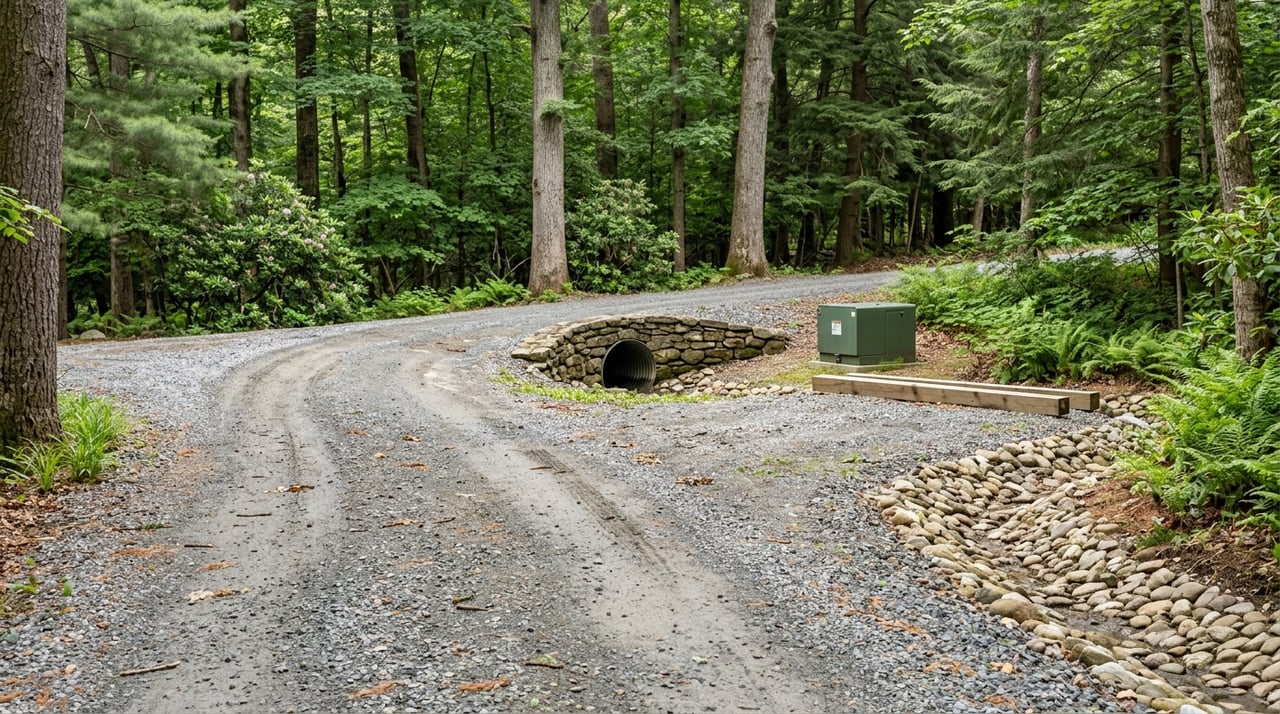
This is not just a paperwork issue. Flood-zone status, drainage, grading, crawlspace moisture, and on-site water management can all affect your renovation budget and your long-term risk. A home that looks appealing at first glance may carry hidden costs if site conditions are not working in your favor.
If you are comparing investment options, make flood and stormwater review part of your first-pass screening. It is better to know early whether the property may need extra due diligence, improvements, or a more conservative budget.
Some Hendersonville properties, especially closer to downtown, may fall within historic districts. The city’s Historic Preservation Commission notes that conservation of historic properties helps stabilize and increase property values and supports the local economy. That can be a positive for long-term appeal, but it can also affect your renovation process.
If a home sits in a historic district, exterior changes may require additional review through a certificate of appropriateness process. That means your improvement timeline and budget assumptions should be more conservative than they would be for a home without those layers of review. If your investment plan depends on quick exterior updates, this is an important checkpoint.
Utility setup is another factor that can change both cost and complexity. Hendersonville Water and Sewer serves more than 32,000 homes and businesses with water and more than 10,000 with sewer service. At the same time, some properties outside the sewer system may rely on private systems.
Henderson County Environmental Health administers septic and private drinking water well programs. For you, the practical takeaway is simple: verify whether a home is on city water and sewer or on private septic and well before you estimate repairs, reserves, or readiness for occupancy. Utility assumptions can swing your budget quickly.
Property taxes are a major underwriting line item in Hendersonville. For 2025, Henderson County’s general tax rate is $0.431 per $100 of assessed value, and the City of Hendersonville rate is $0.520 per $100. That creates a combined city and county rate of $0.951 per $100 before any special district taxes.
At the city’s median owner-occupied value of $317,000, that combined rate works out to about $3,014.67 per year in city and county property tax before any special-district add-ons. That is a meaningful carrying cost, especially if you are trying to make a financed rental penc out.
Some locations may add even more. The Main Street Municipal Service District and the 7th Avenue Historic Municipal Service District each add $0.21 per $100 of value. If you are looking near downtown, make sure you know whether the property sits in one of those districts before you finalize your numbers.
It is easy to focus on purchase price and rent, but operating costs deserve equal attention. Hendersonville’s FY26 budget flyer shows water rates increasing 8%, sewer rates increasing 9%, and the residential stormwater fee at $8 per month. Those costs may or may not be passed through depending on the property and lease structure.
If you are planning for a rental, be clear about who pays for water, sewer, and stormwater. In a market where margins may already be tight, small recurring costs can make a real difference over time.
A useful benchmark for rent testing is HUD’s FY2026 Fair Market Rent schedule for the Asheville metro area, which includes Henderson County. The gross fair market rents are $1,227 for a studio, $1,429 for a one-bedroom, $1,567 for a two-bedroom, $1,905 for a three-bedroom, and $2,629 for a four-bedroom.
These figures are not a promise of what a specific home will rent for. They are better used as a reality check when you are testing a strategy. You can compare them with local median rent figures and with the home’s layout, condition, and location to see whether your expectations are grounded.
In Hendersonville, the city’s median gross rent is $1,332, while median monthly owner costs with a mortgage are $1,624. That is why conservative underwriting matters here. If you are using financing, you want to be realistic about rent ceilings and careful not to understate expenses.
If your plan involves nightly or vacation stays, occupancy tax belongs in your model. Henderson County increased its occupancy tax from 5% to 6% effective September 1, 2025. That does not apply to every investment strategy, but it does matter if the business plan includes short-term lodging use.
This is another reminder that not every Hendersonville home should be evaluated the same way. A downtown-adjacent property with visitor appeal may look attractive, but you still need to model the tax and operating structure carefully.
When you evaluate Hendersonville homes as investments, it helps to use the same checklist every time. That keeps emotion from driving the decision and helps you compare properties on equal footing.
Ask whether the property is:
Look closely at:
Include:
Review:
The best answer is that some Hendersonville homes can be solid investments, but this is not a market where broad assumptions work well. The city core may support rental or visitor-driven demand, while the broader county can offer more owner-occupier stability and retirement-oriented demand. The opportunity usually depends on whether the specific home lines up with your hold period, budget, and return goals.
If you are buying from out of town or trying to compare several options at once, local guidance matters. A responsive, practical review of flood exposure, district status, taxes, utilities, and likely rent can save you from chasing a property that looks better on paper than it performs in real life.
If you want help pressure-testing a Hendersonville property before you make a move, Aaron Chapman can help you evaluate the details, compare options, and make a more confident decision.
Stay up to date on the latest real estate trends.
We'd love to hear from you! Whether you're buying, selling, or just exploring your options, we're here to provide answers, insights, and the support you need. Contact us and start planning your next move.