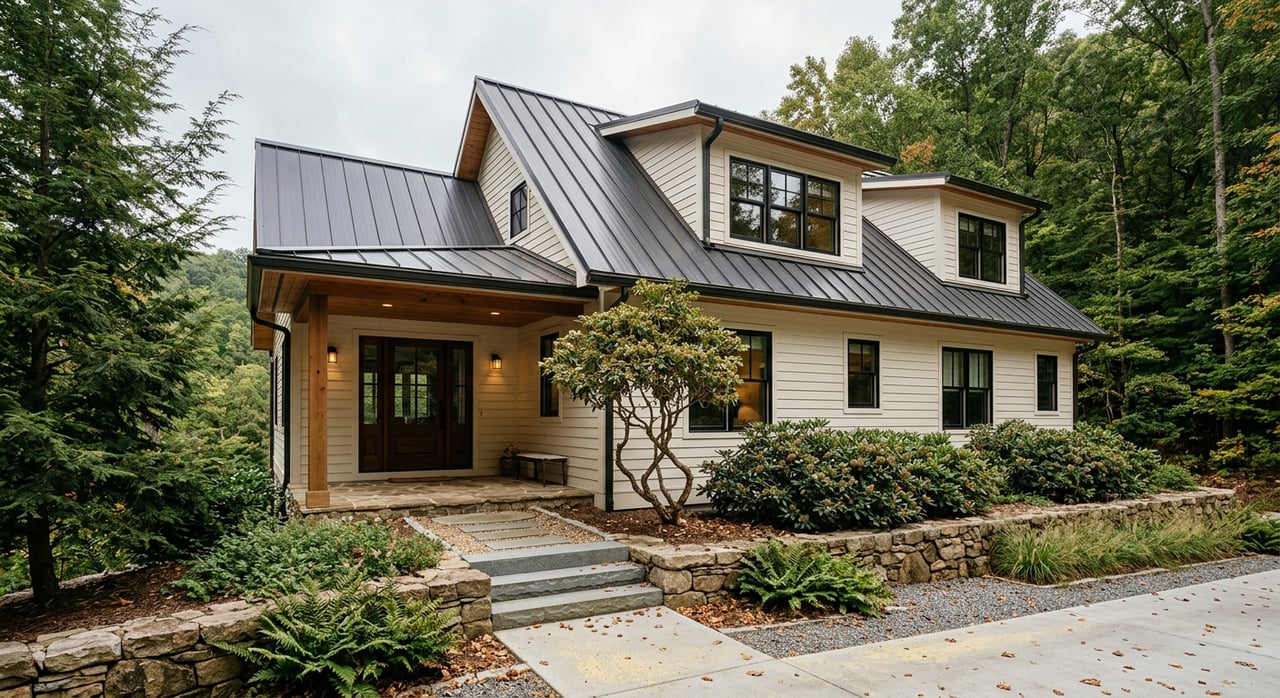
What Remote Workers Should Know About Living In Asheville
July 2, 2026
July 2, 2026
If you can work from anywhere, Asheville is the kind of place that can quickly rise to the top of your list. You may be looking for mountain scenery, a more flexible daily pace, or a home that supports both your job and your lifestyle. The key is knowing how Asheville actually works for remote life before you move. Let’s dive in.
Asheville offers a mix that many remote workers want: a walkable urban core, distinct neighborhood options, and easy access to mountain surroundings. Downtown Asheville puts shops, cafes, galleries, restaurants, and music venues close together, while areas like Biltmore Park offer a more planned, mixed-use setup.
That variety matters when your home is also your office. Some people want to step out for coffee meetings and errands without much driving, while others want more space, privacy, or a lower-maintenance setup. Asheville gives you more than one way to build that kind of routine.
If you work remotely, internet service is not a small detail. It should be one of the first things you verify before getting serious about a home.
AT&T, Spectrum, and Frontier all advertise service in Asheville, but availability depends on the exact address. AT&T advertises fiber with speeds up to 5 GIGs where available, Spectrum advertises Asheville plans with 1 Gig, 500 Mbps, and 100 Mbps tiers, and Frontier says fiber is available in select areas with speeds up to 7 Gbps.
The practical takeaway is simple: one street may have strong options while the next one may not. The FCC National Broadband Map is designed to show broadband availability at the home or small-business address level, so it is the best first check before a move.
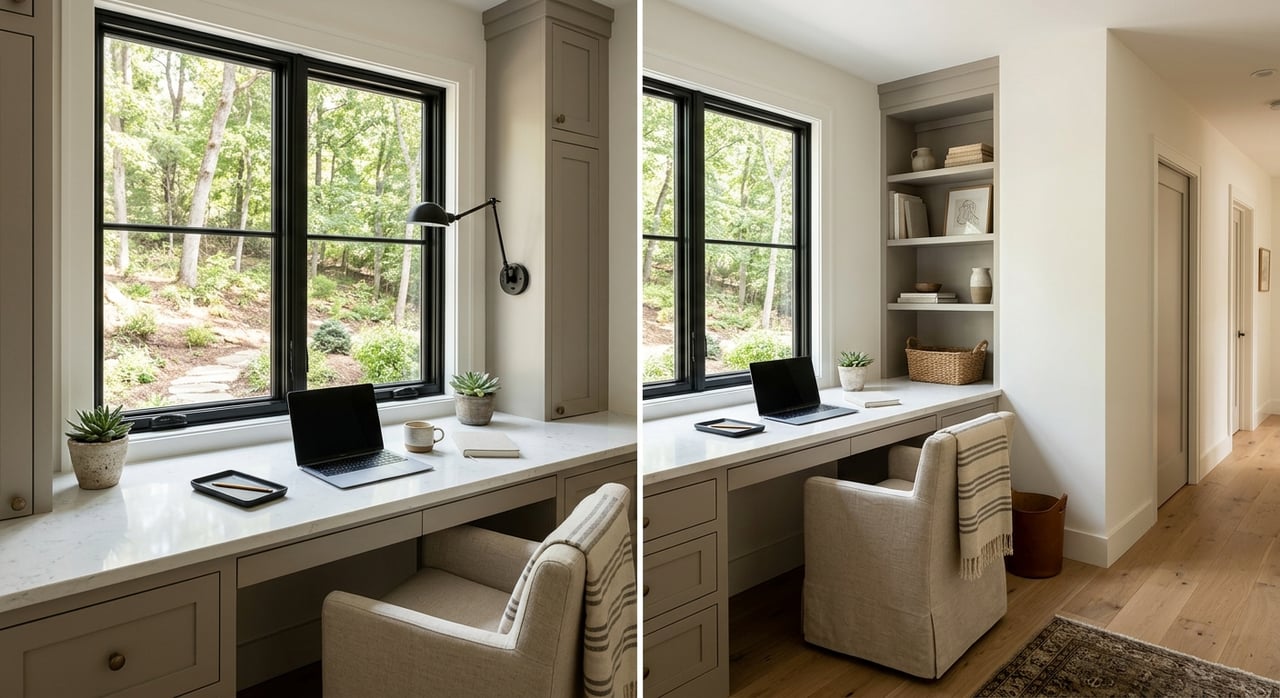
Asheville supports more than one remote work style. If you need a professional setup outside the house, downtown and nearby areas offer workable options.
Hatchworks Coworking in downtown Asheville offers desks, office space, conference rooms, 24/7 access, free onsite parking, fiber-optic Wi-Fi, phone booths, and coffee and tea. In East Asheville, Haw Creek Commons offers rentable workspaces and office space for entrepreneurs, educators, small businesses, and artists.
If you just want a change of scenery, Asheville also has cafe options that fit lighter workdays. The Daily Grind in Biltmore Village presents itself as a place to work on your latest great idea, and Ultra Coffeebar in the River Arts District offers indoor and outdoor seating with daily daytime hours.
Downtown Asheville can be a great fit if you like energy, walkability, and easy access to meeting spots. It is the city’s walkable core, with cafes, shops, galleries, breweries, and restaurants all nearby.
Still, convenience comes with a few practical tradeoffs. Downtown parking is often short-term, city garages charge after the first hour, and metered spaces are generally limited to two hours. If you expect to work from cafes or meet clients and friends downtown often, those small friction points can shape your routine.
If you want a more structured daily setup, Biltmore Park is worth a look. It is a pedestrian-friendly planned community south of downtown that combines residences, businesses, schools, and retail shops in one place.
For many remote workers, that kind of layout can make the workday feel easier. You may be able to handle errands, grab coffee, and keep your week moving without as much back-and-forth driving. It is a different feel from downtown, but for some buyers, that is exactly the point.
Your work style should influence the type of home you target. In Asheville, that can matter just as much as the neighborhood itself.
Current market data suggest a more balanced market than the ultra-competitive conditions of a few years ago. In May 2026, the four-county Asheville area recorded 592 closed sales, 728 pending sales, and 3,092 homes in inventory, with 5.4 months of supply and a median sales price of $446,500. In Buncombe County, the median sales price was $500,000 and homes averaged 69 days on market.
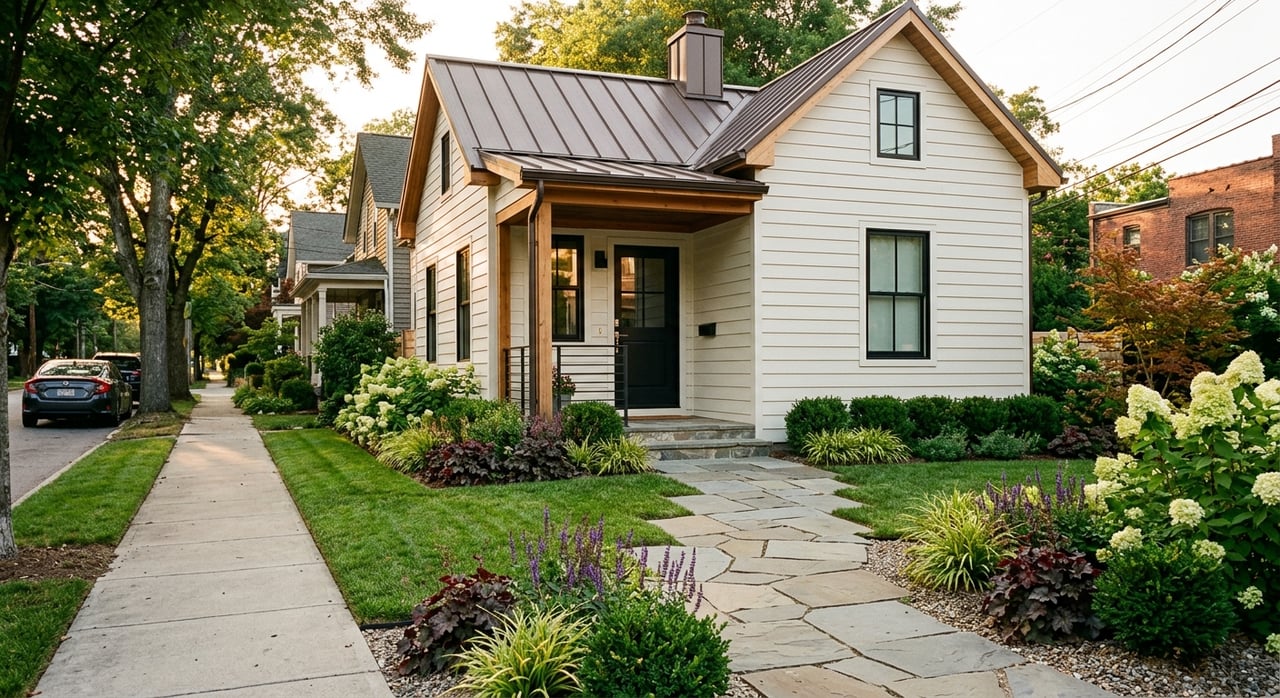
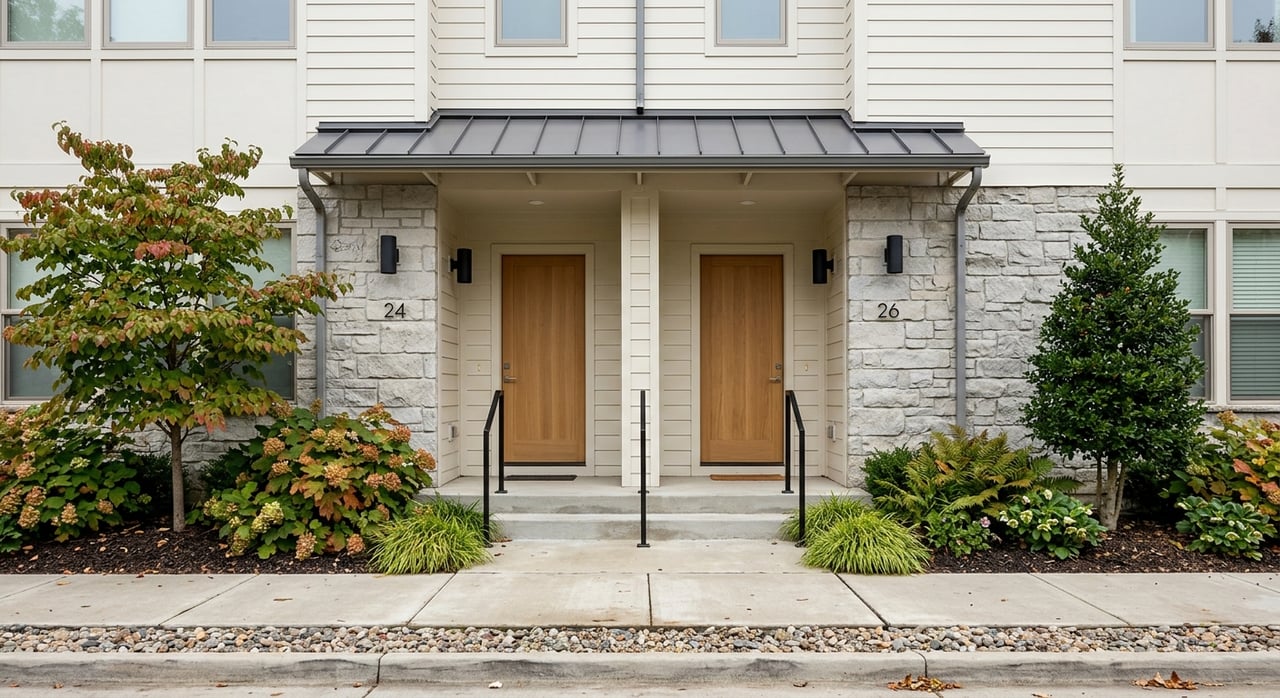
Single-family homes continue to drive overall market activity. Condo and townhome sales have also posted gains, and attached housing remains attractive for affordability and lower-maintenance ownership.
For a remote worker, that usually leads to a practical choice:
Neither option is automatically better. The right fit depends on how you actually work day to day.
Asheville has a moderate climate by Southern standards, but it is still very much a mountain climate. According to NOAA normals for Asheville Regional Airport, the annual mean temperature is 57.3°F, annual precipitation is 49.59 inches, and annual snowfall is 10.3 inches.
Summer is generally comfortable, with average highs in the low-to-mid 80s from June through August. Winter is cooler, with average highs mostly in the upper 40s to low 50s from December through February.
That mountain setting can shape how you work more than you might expect. Some days are ideal for patio work or a walk between calls, while others are better suited to a dependable indoor setup and a backup plan.
Fall is one of Asheville’s biggest seasonal draws. Explore Asheville says fall color begins in late September at the highest elevations and moves down into the valleys over about six weeks, continuing into early November.
That beauty is part of what makes the area so appealing, but it also brings more visitors and more activity. If you plan to live and work in Asheville full time, it helps to expect a busier seasonal rhythm, especially around popular areas and downtown.
For some remote workers, that energy feels exciting. For others, it may be a reason to focus on a home base that gives you easier day-to-day logistics during peak travel seasons.
Before choosing a home in Asheville, keep your focus on a few practical questions. These checks can save you stress later.
A beautiful home is important, but for remote life, daily function matters just as much. The smoother your routine, the more Asheville can feel like a long-term fit rather than just a great place to visit.
Living in Asheville as a remote worker is not just about finding mountain views and good coffee. It is about matching your job, housing needs, and preferred pace of life to the right part of the city and the right home.
That is where local guidance can make a real difference. When you are buying from a distance or narrowing down neighborhoods, small details like internet access, parking patterns, home layout, and seasonal flow can have a big impact on how the move feels after closing.
If you are thinking about a move to Asheville or another Western North Carolina mountain community, Aaron Chapman can help you find a home that supports both the way you work and the way you want to live.
Stay up to date on the latest real estate trends.
We'd love to hear from you! Whether you're buying, selling, or just exploring your options, we're here to provide answers, insights, and the support you need. Contact us and start planning your next move.