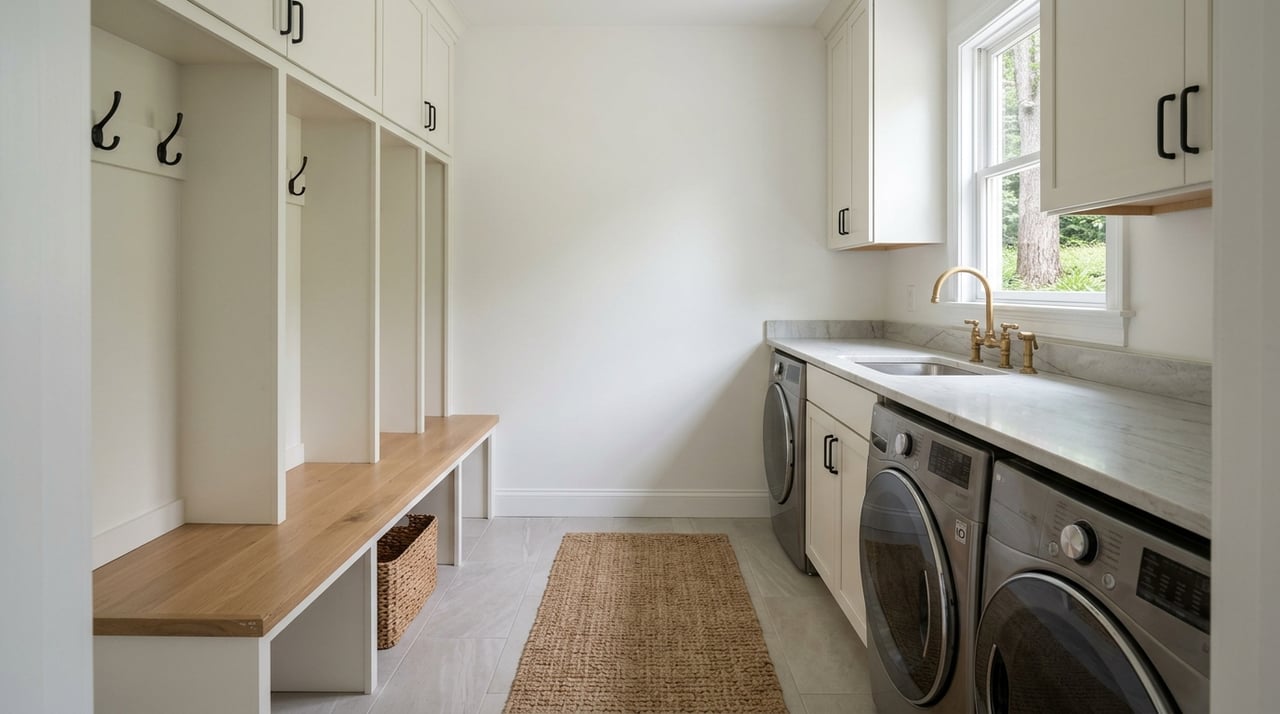
How We Guide Remote Home Buyers In Asheville
June 4, 2026
June 4, 2026
Buying a home from hundreds or even thousands of miles away can feel like a leap of faith. If you are relocating to Asheville, shopping for a second home, or trying to secure mountain property without being here for every showing, you need more than pretty listing photos and a quick phone call. You need a process that helps you see the details, understand the land, and make confident decisions from afar. Let’s walk through how we guide remote home buyers in Asheville.
Asheville and Buncombe County are not markets where one street tells you everything about the next. Parcel-level details can change quickly, including zoning, floodplain concerns, slope, hillside rules, and utility setup. That means a home that looks perfect online may need a much closer look before you move forward.
This is especially true in a mountain market where terrain affects day-to-day living and long-term plans. Two homes with similar prices and square footage can offer very different realities once you factor in access, grade, septic, well needs, or development limits. For remote buyers, that is where strong local guidance matters most.
Current market data also suggests you should slow down and evaluate carefully rather than feel forced into a rushed decision. As of March 2026, Realtor.com labeled Asheville a buyer's market with 1,179 active listings and a median listing price of $575,000, while Redfin reported a median sale price of $510,000 and a median of 122 days on market. Zillow's home value index for Asheville was $451,201 as of December 31, 2025, though these figures measure different things and are best used as directional context.
Remote buying works best when your search starts with your real life, not just a saved search filter. We begin with a conversation about your goals, timeline, budget, and the kind of mountain lifestyle you want. That includes things like commute needs, access to outdoor recreation, amount of land, and whether you want in-town convenience or more privacy.
Because our team serves Asheville and surrounding Western North Carolina communities, we help you compare options with context. If Asheville proper is not the best fit, nearby areas like Weaverville, Black Mountain, Candler, Fairview, Mars Hill, Waynesville, Maggie Valley, Canton, or Hendersonville may offer a better match for the way you want to live.
In North Carolina, brokers must review the "Working With Real Estate Agents" disclosure at first substantial contact. A written buyer agency agreement must be in place no later than when you are ready to write an offer. For remote buyers, that early clarity is helpful because everyone understands roles, representation, and next steps from the beginning.
We use that early stage to create a clear communication plan. You know how we will tour homes, how quickly we will update you, and what information we will gather before you make a decision. That structure removes a lot of stress from a long-distance search.
Online photos rarely tell the full story in Asheville. They may not show road approach, slope, nearby uses, privacy, noise, or how the lot actually lays. They also will not explain floodplain, hillside, zoning, or utility questions that can affect your plans.
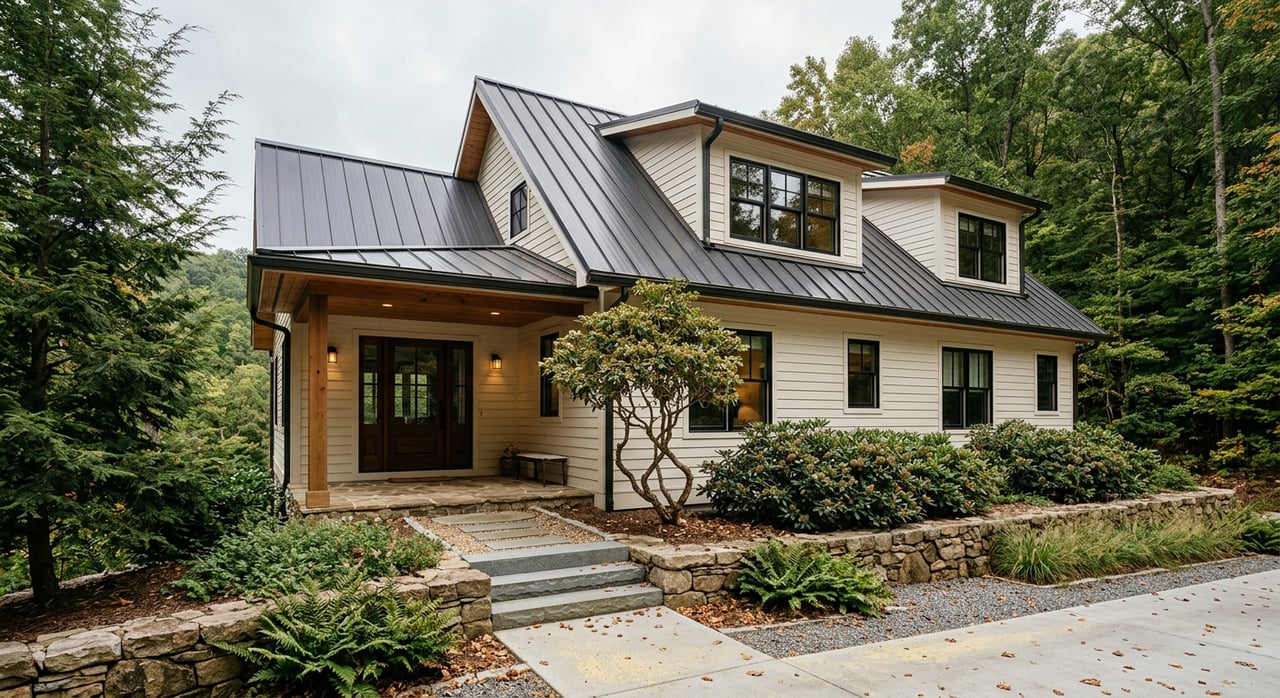
That is why our remote-buyer process focuses on live virtual tours, detailed video walk-throughs, and side-by-side property comparisons. We help you look at the home itself, the setting around it, and the practical realities that matter once you own it.
A remote buyer often needs help understanding how one property feels compared with another. We can help you compare terrain, convenience, drive times, and everyday usability so you are not trying to piece it together from a map alone. In Asheville and Buncombe County, those differences can change block by block.
County and city planning tools make this step important. Buncombe County and the City of Asheville both direct users to GIS and planning resources, and county guidance specifically highlights zoning, floodplain, hillside, and subdivision rules. We use that local context to help you ask better questions before you commit.
Floodplain and slope issues deserve close attention in this market. Buncombe County provides floodplain information and points buyers to GIS tools, and the county GIS includes a slope calculation tool. The City of Asheville GIS also includes a steep-slope layer.
If a property is near a floodplain or sits on steep terrain, that does not automatically make it a bad fit. It does mean you should understand the facts before moving forward. For remote buyers, reviewing these details early can save time, travel, and costly surprises.
Zoning and subdivision rules are not the same across Asheville and Buncombe County. Buncombe County has its own zoning ordinance, while Asheville's Unified Development Ordinance regulates land development, subdivision, and use within city limits. That matters if you are comparing city property, county property, or land with future plans in mind.
If you are buying for a primary home, second home, or investment-oriented use, knowing the governing rules is part of making a sound decision. This is one reason remote buyers need more than a standard showing report.
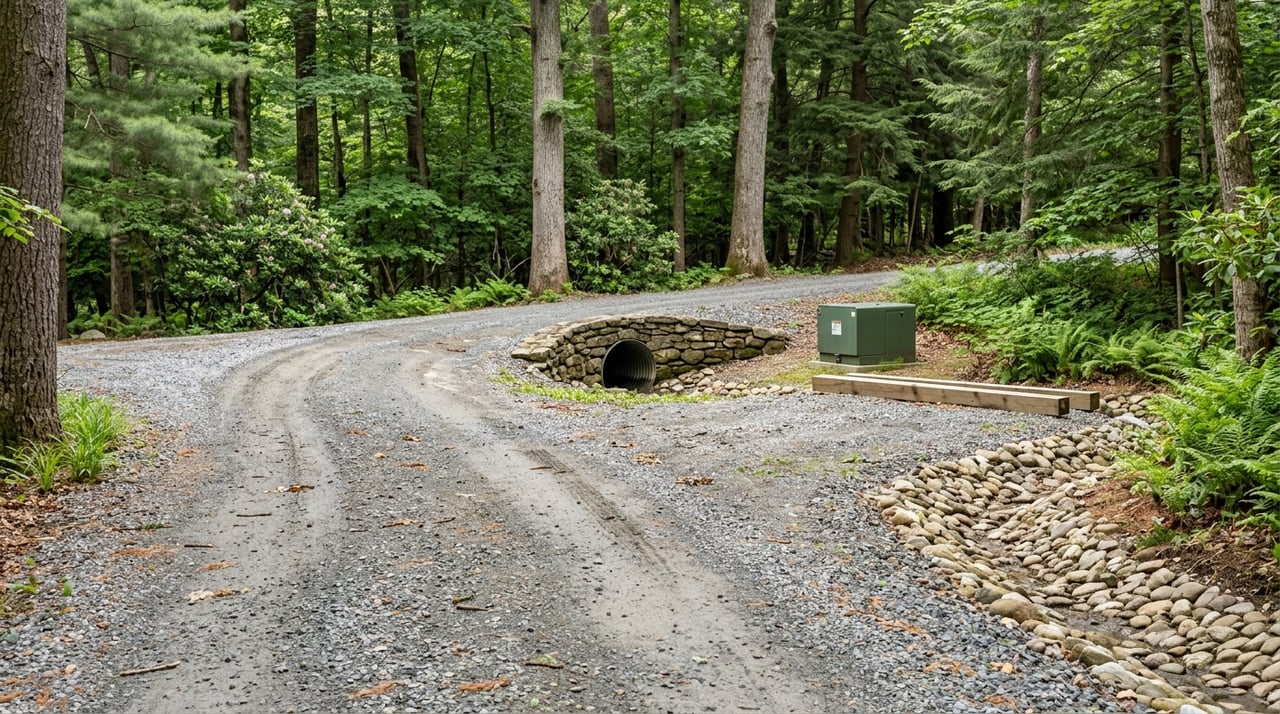
Land and acreage purchases, and even some homes, require extra utility and access review. In Buncombe County, septic permits are required before building on properties not served by public sewer, and well permits are required before drilling a well. The county also notes that common driveways, easements, or rights-of-way may trigger road-name petition requirements.
This matters because roughly half of Buncombe County residents depend on septic tank systems. If a home or parcel is on septic, private well, or has unusual access, those are not side issues. They are core due-diligence items.
North Carolina allows electronic records and electronic signatures in real estate transactions when the parties agree to use electronic means. State law also authorizes remote electronic notarization when legal requirements are met. For remote buyers, that supports a process that can stay largely digital from search to closing.
We help coordinate the paperwork early so you are not scrambling once the right property appears. That includes offer preparation, timelines, signatures, and communication with the other parties involved.
In North Carolina, the due-diligence period is your main investigation window. The North Carolina Real Estate Commission identifies common due-diligence items such as home, pest, septic, and survey inspections, appraisal, title search, loan qualification, and repair negotiation. The due-diligence fee is a negotiated amount paid to the seller once the contract becomes effective.
For remote buyers, this period is where a lot of the real work happens. We keep a disciplined calendar, coordinate the moving pieces, and make sure key dates do not get lost in the shuffle.
Some buyers see "as is" and assume there is nothing to review or negotiate. In North Carolina, even when a contract is effectively "as is," you still keep the right to conduct due diligence and order relevant inspections unless the contract says otherwise. That is an important protection, especially when you are not local.
Our job is to help you use that window wisely. We coordinate the right licensed inspectors, help you review the full reports, and talk through what matters most for your goals and budget.
Inspection guidance matters more when you cannot attend in person. NCREC says brokers should recommend only licensed home inspectors, verify licensure if there are red flags, and advise clients to review the full report rather than just the summary. That standard fits the kind of hands-on support remote buyers need.
We help schedule the inspections that fit the property, whether that includes general home inspection, pest, septic, survey-related review, or other due-diligence items. Then we walk through the findings with you line by line so you can make an informed choice.
Inspection reports can feel overwhelming when you are reading them from another state or another country. A long report does not always mean a bad property, and a short report does not always mean an easy one. What matters is understanding which items are routine, which affect safety or function, and which may shape negotiation.
That is where clear explanations make a big difference. We help you focus on what the property actually needs, not just what looked polished in the listing photos.
For remote buyers, public records are valuable tools, but they need to be used carefully. Buncombe County land records maintain the official index of property location and ownership, while the county GIS system helps buyers inspect parcel-level data before they travel. City GIS data also comes with a reminder that users should verify information before making decisions.
We use these tools as part of the process, not as a shortcut. They help confirm what a listing suggests and identify questions to answer before you spend money or time moving forward.
Once you are under contract, we stay involved through the next steps. That includes communication with your lender, inspectors, and closing attorney, plus coordination around deadlines, repair discussions, and final logistics. If a remote electronic notarization is part of the closing plan, North Carolina law allows for that when statutory requirements are met.
For you, the goal is simple. You should feel informed, supported, and able to move from search to closing without needing to be physically present for every detail.
Remote buying in Asheville is very doable, but it works best when you have local guidance that is responsive, practical, and detail-oriented. In a market shaped by mountain terrain, utility differences, and parcel-specific rules, a smooth process depends on more than access to listings. It depends on having someone who can help you see what the photos do not show.
That is the kind of support our team is built to provide. If you are planning a move to Asheville or looking for the right mountain property from afar, connect with Aaron Chapman to start the conversation.
Stay up to date on the latest real estate trends.
We'd love to hear from you! Whether you're buying, selling, or just exploring your options, we're here to provide answers, insights, and the support you need. Contact us and start planning your next move.